
Europe
Wild Garlic
Wild garlic (Allium ursinum L.) is one of the oldest plants in Europe and was already consumed in the Mesolithic period (Middle Stone Age). Just before it flowers, the leaves are particularly rich in active phytochemicals.
Bergamot
The bergamot (Citrus bergamia) belongs to the Citrus genus. The fruit is highly valued for its high phenolic content. We offer a pure bergamot extract with an exceptionally high flavanone content (35%+), obtained from the juice of the bergamot fruit via a patented, solvent-free extraction process. Grown under optimal conditions in Calabria, Italy.
Greek Mountain Tea
Broccoli
Broccoli (Brassica oleracea italica), which is native to Italy, belongs to the cruciferous family and is one of the most popular vegetables in the world. The plant contains a variety of valuable phytochemicals, including sulforaphane, indole-3-carbinol and diindolylmethane.
Cistus
Gentian
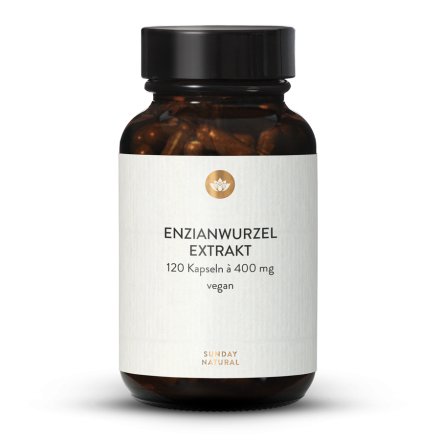
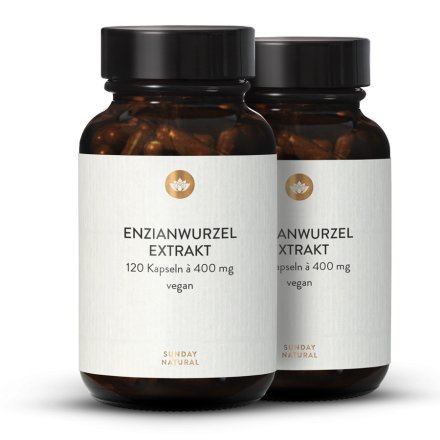
Gentian is rich in bitter plant compounds, which are mainly found within the root. Notable bitter compounds include gentiopicroside and amarogentin, which lend gentian its bitter quality.
Eucalyptus
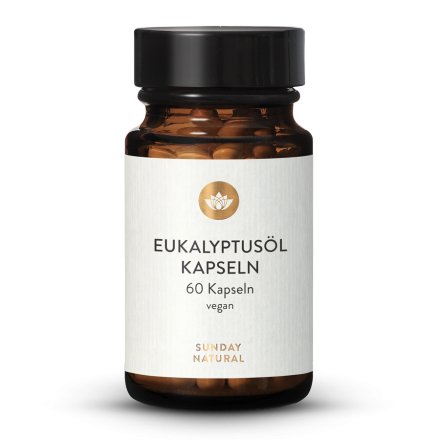
The eucalyptus tree originates from Australia and is now one of the most frequently planted trees worldwide as a result of its captivating aroma and resilience. Eucalyptus leaves have become a staple in natural remedies and wintertime comforts all over the world thanks to their pleasant fragrance.
Grapefruit Seed Extract
The bitter taste of grapefruit (Citrus paradise) is mainly a result of the glycoside naringin, which belongs to the group of secondary phytochemicals known as flavanones. Naringenin is an aglycone (fission product) of the bitter compound naringin.
Green Oats
Oats (Avena sativa L.) are not only an important food but also an important herb in the field of botany. The fresh, green oat grains are particularly rich in nutrients.
Hops
Immortelle
St. John's Wort
Camomile
The intensely aromatic Roman camomile is native to Western Europe, where, it is traditionally used internally.
Burdock Root
Koriander
The coriander plant (Coriandrum sativum) is also called the "herb of longevity" in Chinese tradition. The fruits (seeds) and leaves have individual ingredient profiles of antioxidants, essential oils and tannins, giving them unique areas of application.
Marjoram
Marjoram (Origanum marjorana), which translates to beauty of the mountain, was attributed to Aphrodite, the goddess of love and beauty, in Greek mythology as well as to Osiris, the god of rebirth and fertility in Egyptian mythology. According to Greek tradition, Aphrodite praised the delicate scent of marjoram flowers as a symbol of happiness with the ability to raise people's spirits.
English Lavender
Chinese Yam
Bay Leaf
In ancient Greece and the Roman Empire, the bay laurel (Laurus nobilis) was strongly associated with the gods. Bay leaves were burned during spiritual cleansing ceremonies and crowns of laurel were presented to victorious warriors after battle. In the Middle Ages, bay leaves were considered a means to ward off evil spirits and curses. To this day, however, the bay laurel is enjoyed as a popular spice to provide aroma and depth of flavour to cooking.
Dandelion
The dandelion (Taraxacum officinale) has been known in botany since ancient times and has a number of special phytochemicals, which are mainly found in the root.
Milk Thistle
Premium milk thistle extract with high-dose silymarin, from pesticide-free cultivation. Laboratory tested silymarin concentration of 80% (32% silibinin), pure and free from residues. Vegan, no additives.
Lemon Balm
Lemon balm (Melissa officinalis) is one of the most well-known European plants and was highly valued by Paracelsus. Lemon balm is particularly known for its fresh, citrusy flavours.
Agnus Castus (Chasteberry)
Agnus castus (Vitex agnus-castus L., also known as chasteberry or monk's pepper) is highly valued by women in particular due to its ingredients. It contains a number of secondary phytochemicals, vitexin being particularly interesting. Our agnus castus extract has a standardised vitexin content of 5%. Obtained via water-ethanol extraction, featuring gum arabic from sustainable cultivation as a natural filler. Vegan.
Clary Sage
Feverfew Extract
Feverfew (Chrysanthemum parthenium) has a long tradition in folklore and has been used for a variety of purposes since ancient times. Pure feverfew extract obtained via water-ethanol extraction in an extraction ratio of 4:1. No additives, vegan.
Peppermint
Peppermint (Mentha piperita) has been used for ages in cultures around the world for purification rituals, as incense and in the form of calming tea. To help improve concentration, students in ancient times wore a crown of twisted mint and relied on the sweet scent for its stimulating effects.
Rosemary Flower & Leaf
Spike Lavender
The essential oil of spike lavender (Lavandula latifolia spica), also known as broadleaved lavender, has a stronger fragrance than English lavender. Spike lavender buds and leaves have been used since ancient times.
Thyme
Lemon Peel
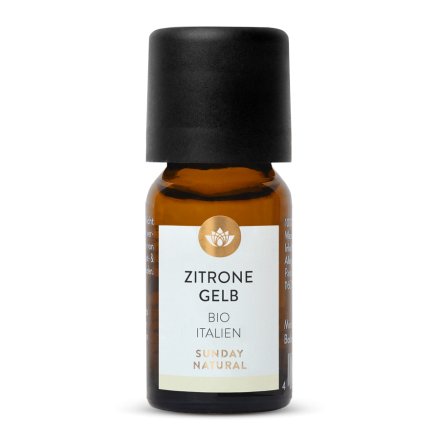
The essential oils in lemon peel are synthesised by the plant to protect the fruits from pests and decay. In Asia, where citrus fruits originated from, these essential oils have been used for ages to refresh and purify the air, to spice food, and to protect against insects.
Cypress
The cypress (Cupressus sempervirens) is respected as a symbol of eternity in Asian cultures. The fruits, branches and wood of cypress trees have been used in traditional herbal medicine for millennia.