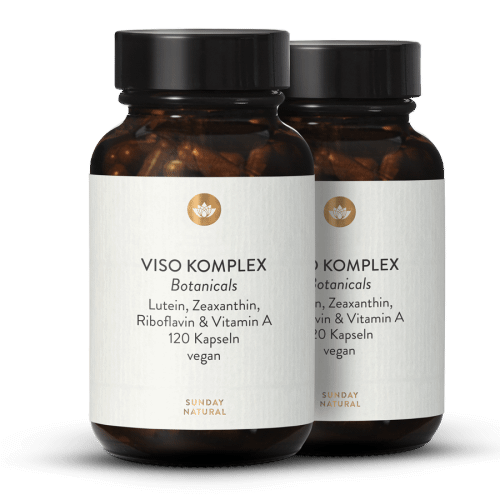
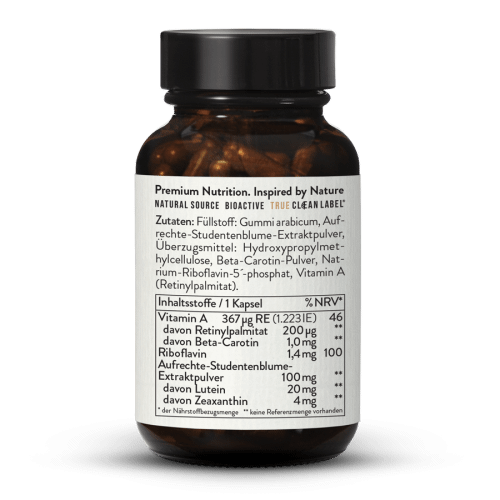
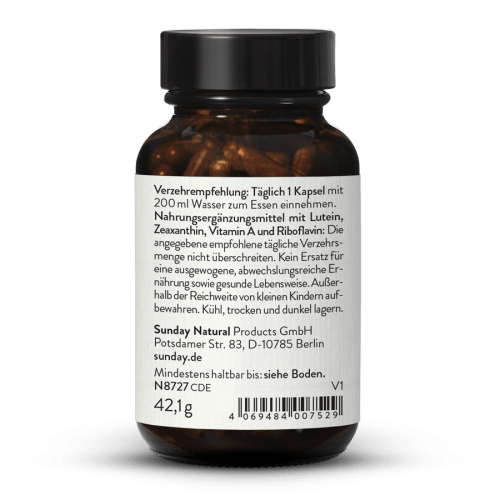
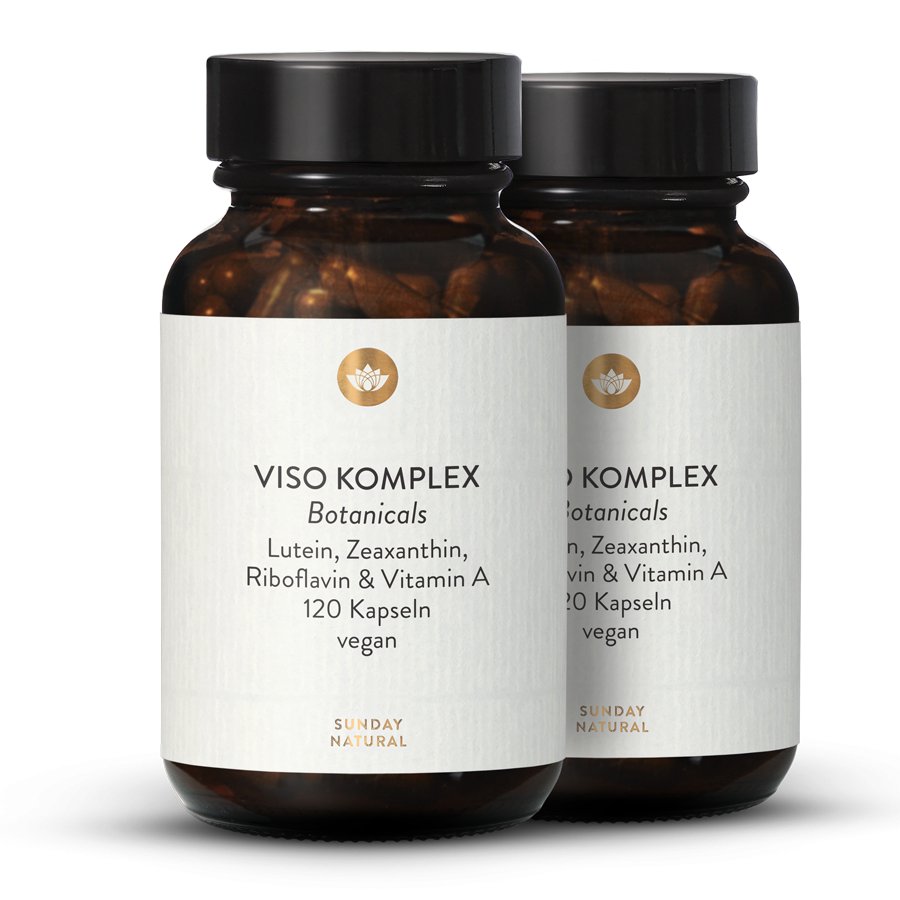
Lutein & Zeaxanthin
Tagetes erecta, commonly known as marigold, is a flowering plant originally native to Mexico. It is frequently cultivated for its vibrant yellow and orange blossoms and plays a central role in Mexican culture.
The petals of Tagetes erecta are a natural source of carotenoids, which include lutein and zeaxanthin in particular. In the plant, these pigments play a role in light absorption and in providing protection from environmental influences caused by sunlight. Lutein and zeaxanthin also occur naturally in the macula lutea (the yellow spot) and the lens of the human eye.
Vitamin A & Provitamin A (Beta-Carotene)
Vitamin A is a fat-soluble vitamin which controls several important functions in the body. While it's well-known for its importance in maintaining good vision, vitamin A also has numerous other benefits: it contributes to the normal function of skin and mucous membranes in the mouth, nose, intestines and reproductive organs, supports the immune system and works synergistically with iron in the synthesis of red blood cells.
Beta-carotene is a secondary phytochemical in the carotenoid family. This precursor of vitamin A, or provitamin A, is the most important source of vitamin A in the diet and is involved in maintaining a healthy immune system, keeping skin and mucous membranes healthy and maintaining normal vision.
According to the European Food Safety Authority (EFSA):
Vitamin A contributes to the maintenance of normal vision, among other things.
Vitamin B2 (Riboflavin)
Vitamin B2 is a water-soluble vitamin which occurs in many forms: in the inactive, unbound form of riboflavin, in a protein-bonded form and in 2 bioactive coenzyme forms: flavin mononucleotide (FMN) and flavin adenine dinucleotide (FAD). Both of these latter forms are important enzyme cofactors that regulate numerous metabolic processes and play important roles in many body functions including energy prduction, growth, embryonic development and the protection of nerve cells.
According to the European Food Safety Authority (EFSA):
Vitamin B2 contributes, among other things, to maintaining vision and protecting cells from oxidative stress.