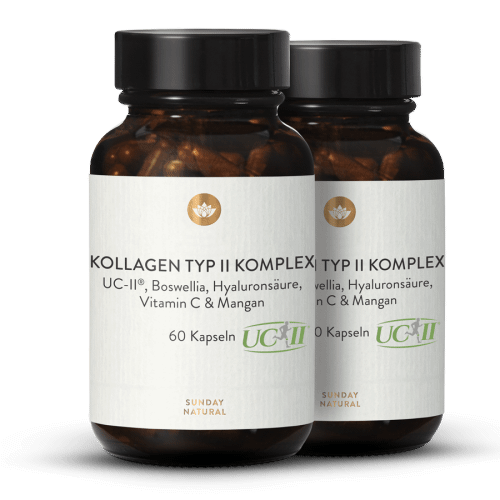
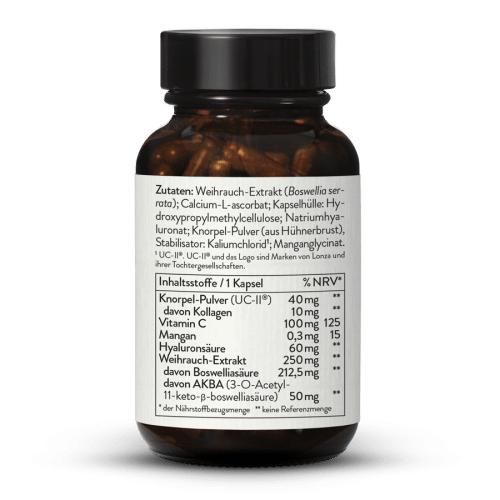
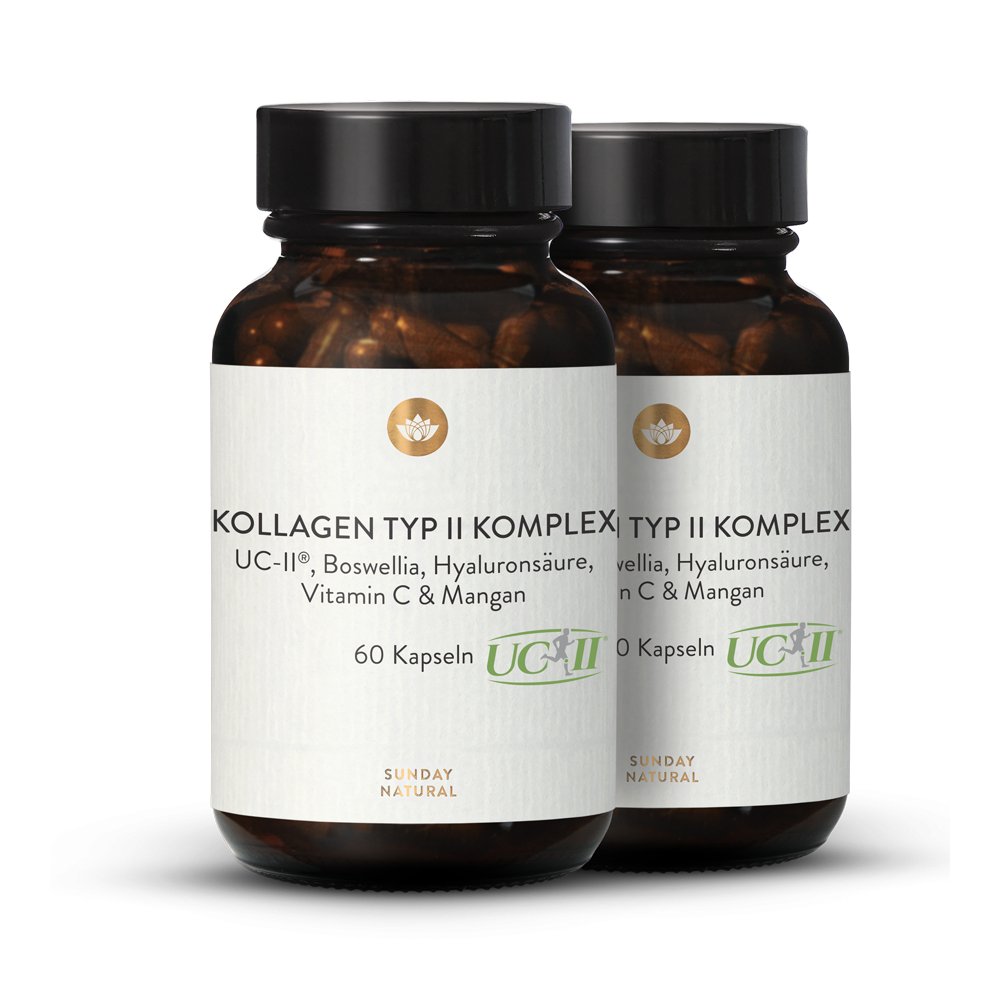
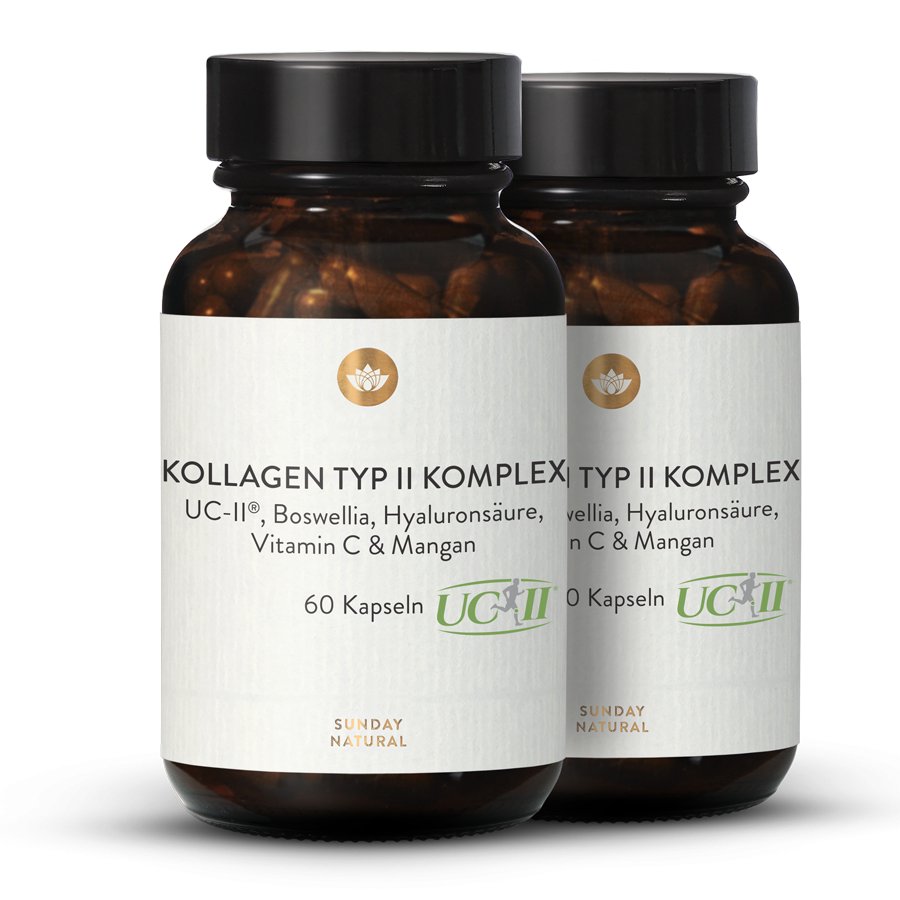
Native type II collagen is the most abundant structural protein in human joint cartilage, accounting for approximately 80–90% of the total collagen content. The structural integrity of native collagen remains intact, meaning its natural 3-dimensional structure is completely undamaged ("undenatured").
Synthesis & Metabolism
The body continuously produces collagen in a complex, nutrient-dependent process called biosynthesis. During this process, individual amino acids are linked together to form long polypeptide chains. The unique feature of collagen is its distinctive structure: the chains are made up of repeating tripeptide sequences (units of 3) of glycine, proline and hydroxyproline. Three of these chains then twist together to form an extremely strong structure. Vitamin C is required as an essential cofactor for this stable cross-linking. Only when this 3-dimensional structure is fully preserved during biosynthesis (or processing in supplements) is it present in its active, native form.
Collagen Types
More than 28 different types of collagen have been identified in the human body, with types I and III being the most prominent:
- Type I Collagen: This type makes up the largest proportion (about 90%). It forms thick, fibrous bundles and is the main component of the matrix in skin, bones, tendons, ligaments and the cornea of the eye.
- Type II Collagen: This type forms the essential structural framework in the hyaline cartilage of the joints.
- Type III Collagen: This type forms finer, net-like (reticular) fibres. It is physiologically found mainly in elastic tissues such as the skin, the walls of blood vessels and internal organs. It often occurs together with type I.
- Specialised Types: In addition, types such as type V (e.g., in hair) or type X (in bone tissue) play a role in the complex interaction of the matrix.
Hyaluronic Acid
Hyaluronic acid, also known as hyaluronan, is a long-chain polysaccharide with a high water-binding capacity and high structural viscosity (especially at medium and high molecular weights). It is often found in the skin and connective tissue, synovial fluid, tear fluid and the vitreous body of the eye.
Boswellic Acids
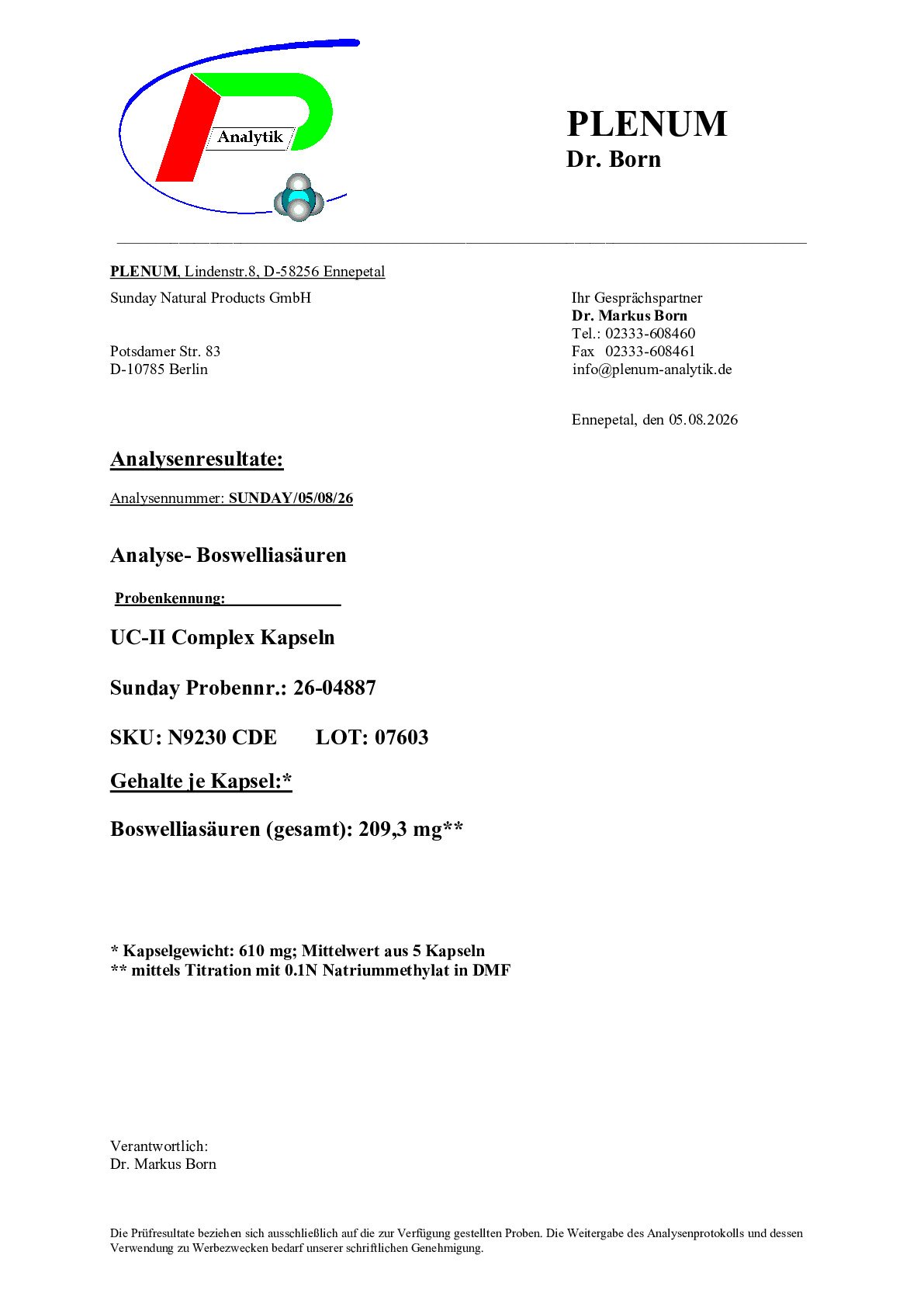
In addition to numerous essential oils (8–12%) and polysaccharides (20–45%), frankincense contains valuable resin acids including 5–8% boswellic acid and more specifically acetyl-11-keto-beta-boswellic acid (AKBA). All compounds within the frankincense plant including these essential oils and resin acids come together to form a synergistic complex.
According to the European Food Safety Authority (EFSA):
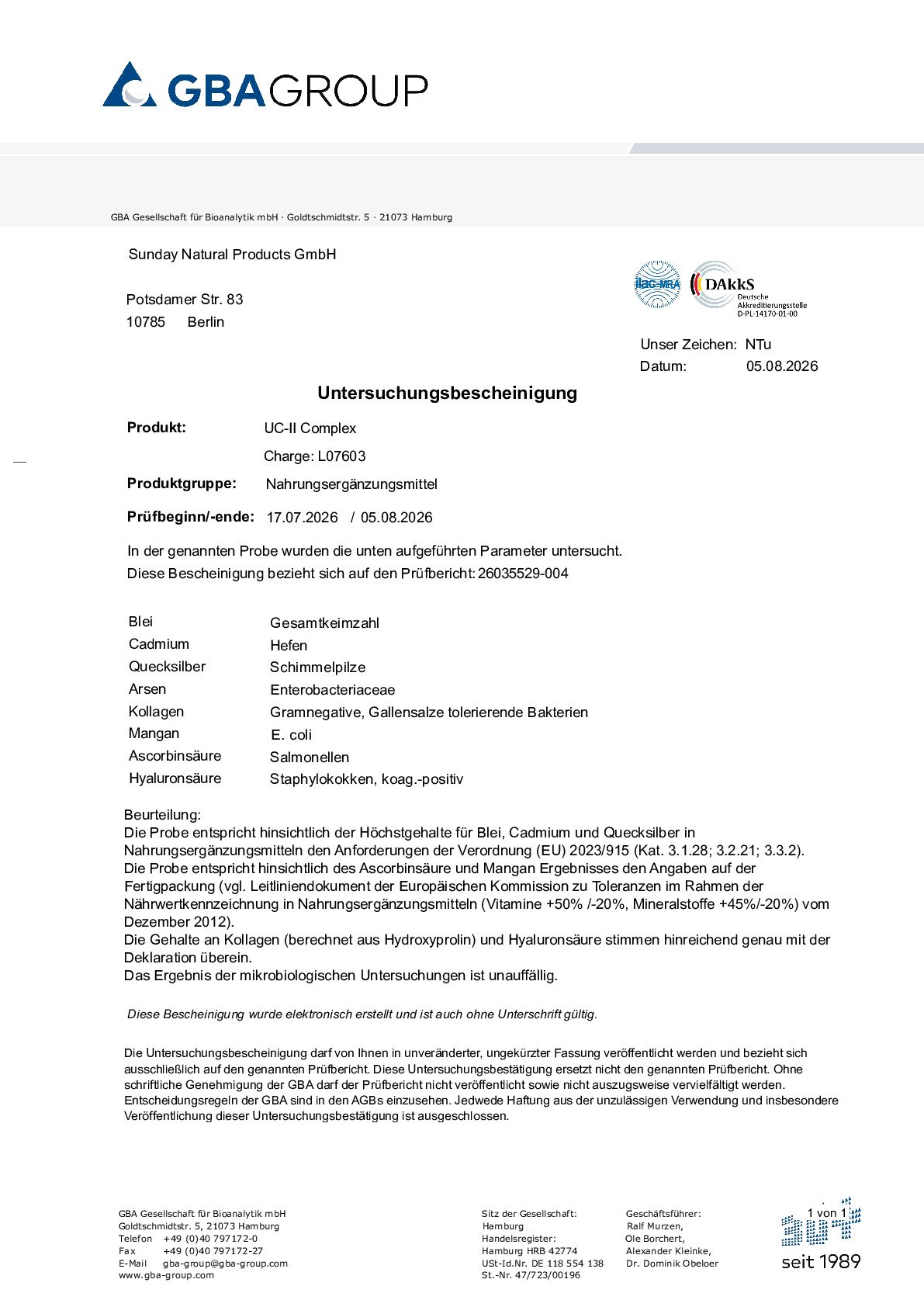
- Manganese contributes to normal connective tissue formation and the maintenance of normal bones.
- Vitamin C contributes to normal collagen formation for the normal function of the skin, cartilage function, bones, gums and teeth, and to the protection of cells from oxidative stress.