
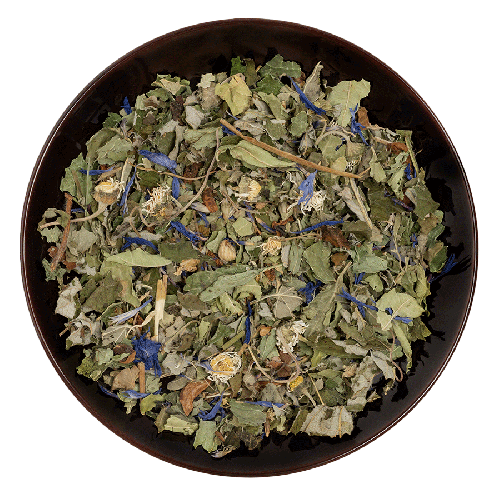
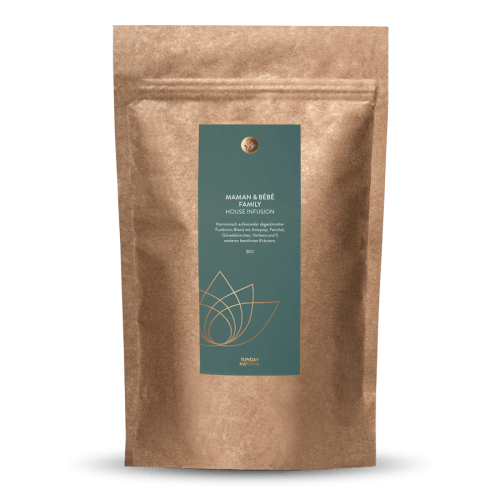
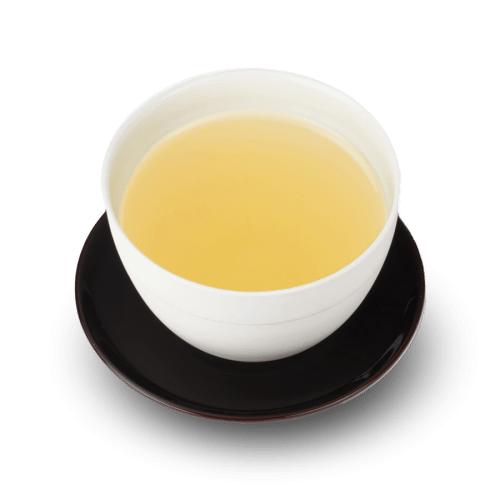
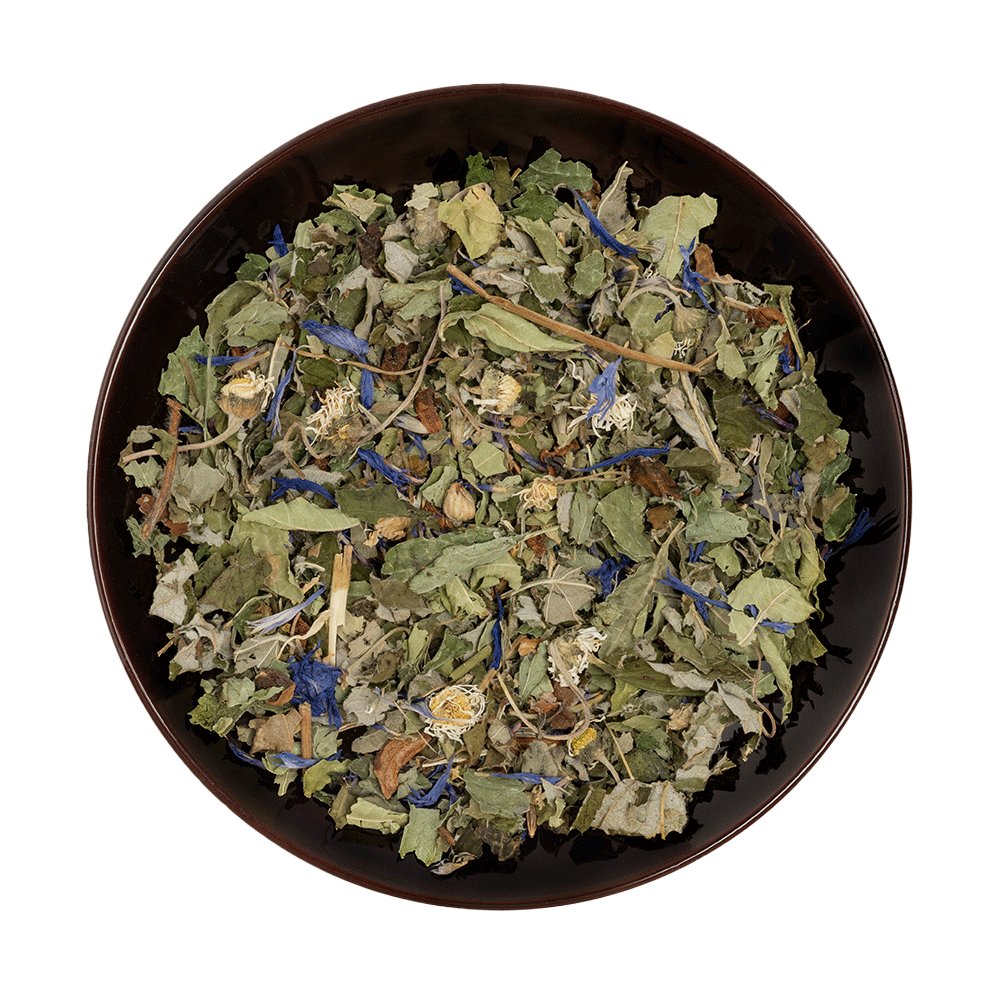

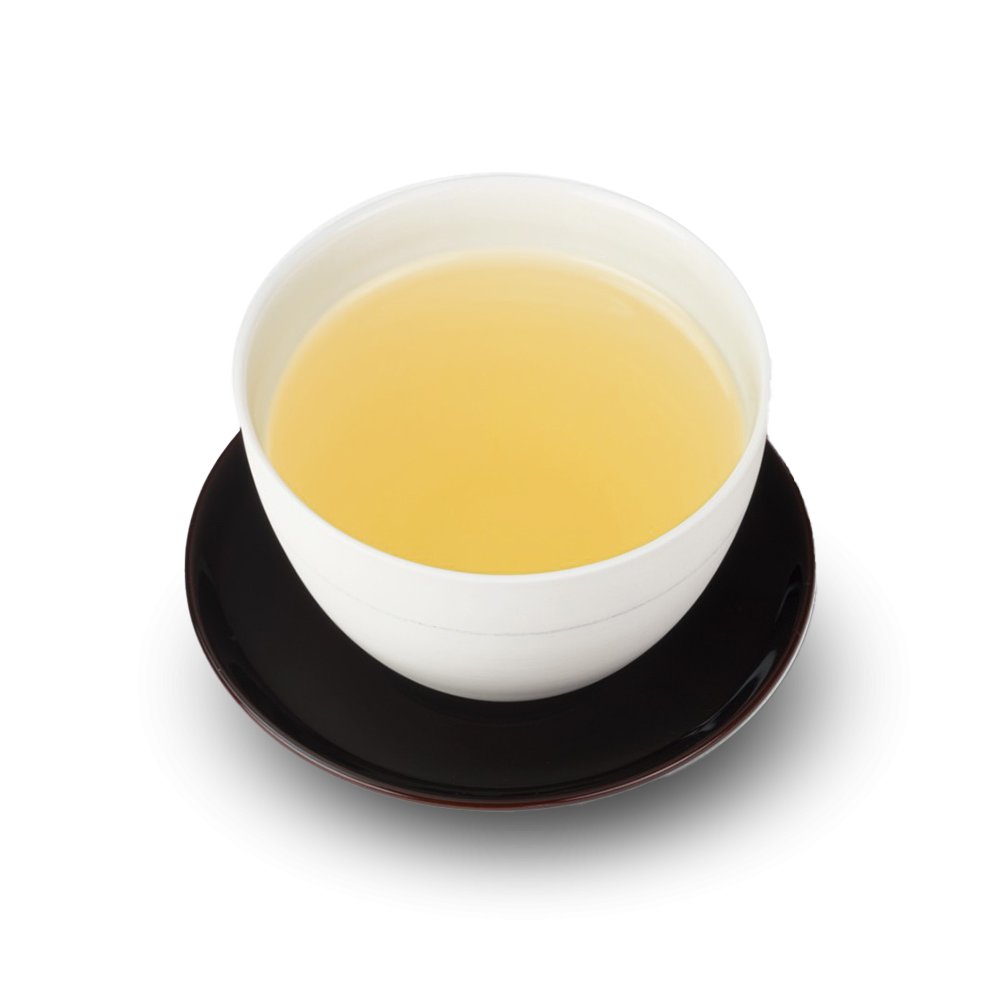
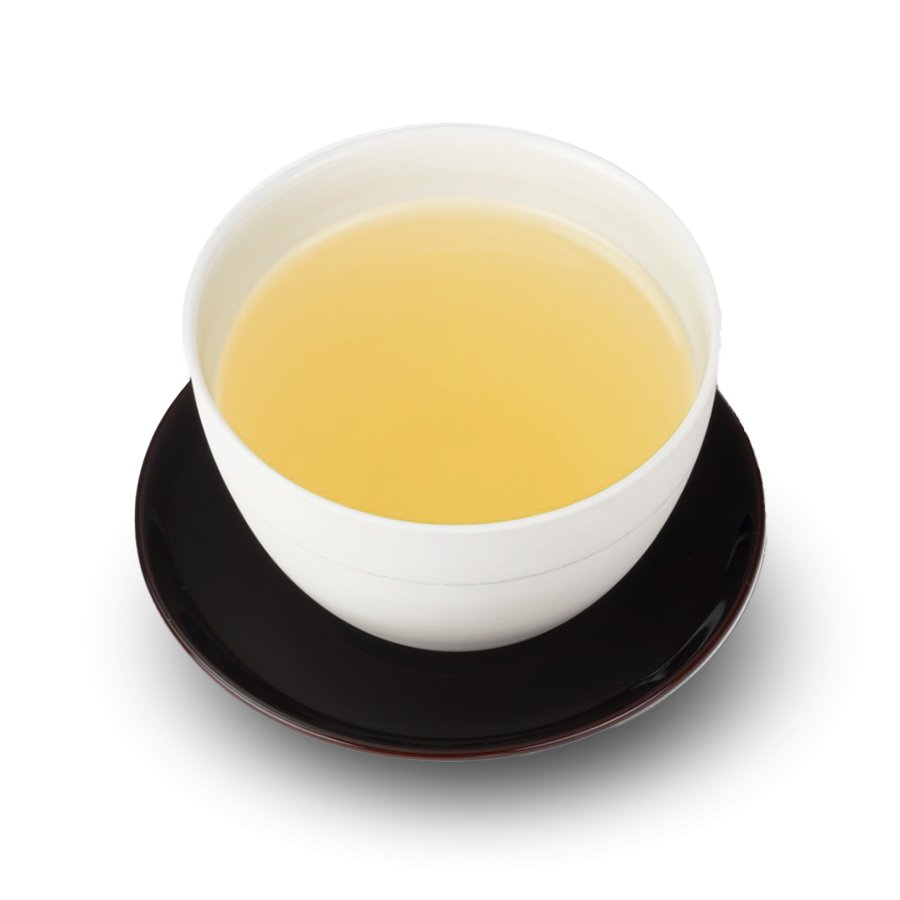
A well-balanced and harmonious herbal composition with a highly floral aroma, very fine acidity and an ever-present fennel sweetness. An alkaline tea suitable for the whole family.
Yoshi En has recently grown out of Sunday Natural to become an independent premium tea store. As part of this transition, some products may still be shipped in Sunday Natural packaging.
Organic
Maman & Bébé
In-house tea blend of organic, hand-picked herbs, including aniseed, fennel, daisies and verbena. A thirst-quenching, balanced blend for the whole family.
- Expertly crafted recipe
- Carefully selected organic herbs from the world's best terroirs
- Sourced from traditional regional tea farms
- Cultivated without artificial fertilisers or plant protection products
- Rich in valuable phytonutrients and bitter compounds from the blend of herbs, flowers and roots
| Character | Balanced, alkaline, mild, floral, sweet fennel |
| Ingredients | Raspberry leaves, verbena (14%), anise hyssop (13%), star anise, lemon balm, fennel seeds (10%), lady's mantle, daisies (6%), caraway seed, cornflower blossoms |
| Organic Cert. | EU certified organic. Cultivated without artificial fertilisers or plant protection products |
€10.90
Character
Herbal Tea
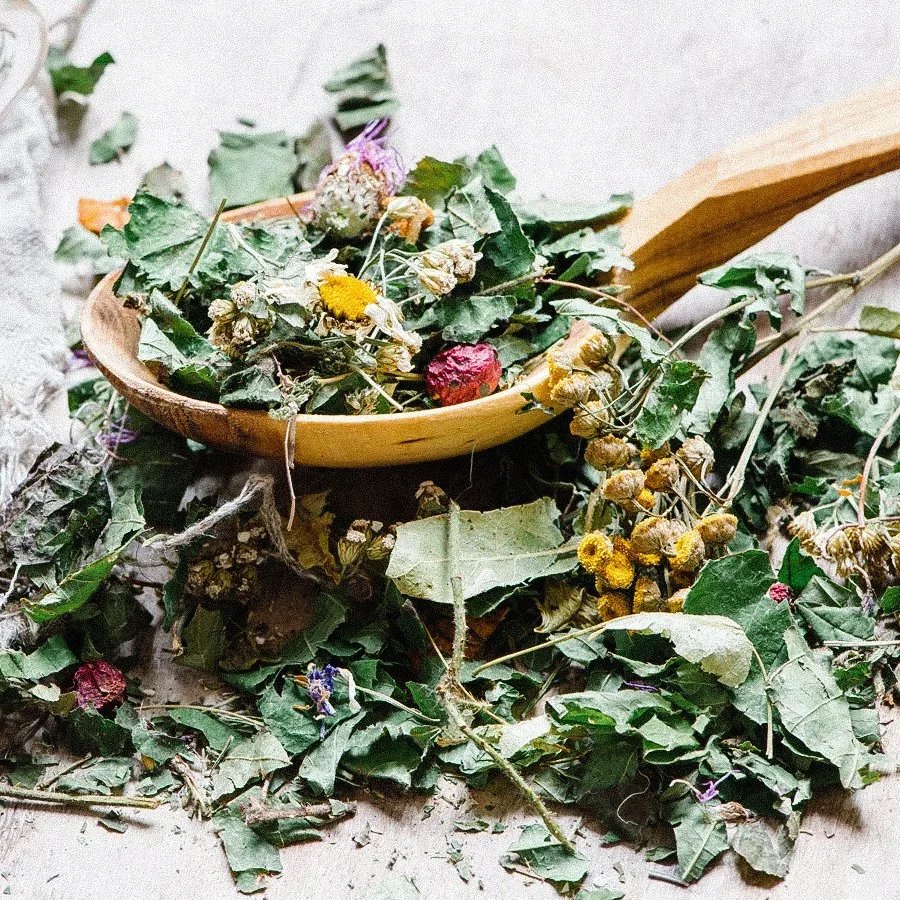
Herbal teas have been one of the most important applications of traditional herbalism for hundreds of years. Hot water helps release the valuable ingredients so that they can be easily absorbed by the body. Each herb represents a unique complex of active ingredients, sometimes combining hundreds of individual compounds. We select only the highest quality herbs from the best terroirs around the world, either from certified organic cultivation or wildcrafting. Our farms are often small, passionate family-run businesses with a long history of cultivating and processing the highest quality herbs and wild plants.
Yoshi En
Premium Organic Teas
Our comprehensive portfolio focuses on organic, single-origin teas sourced directly from renowned farms. We believe in creating partnerships with farmers who share our values and are committed to sustainable, responsible tea cultivation. Thanks to these strong relationships our exciting range is constantly growing and evolving. As an international team of dedicated and passionate tea experts, we are committed to preserving centuries-old tea culture while ensuring it remains relevant and continues to bring joy in the present. About Yoshi En.

Contents
RASPBERRY LEAVES
The raspberry (Rubus idaeus L.) is an agricultural crop with a rich history dating back at least 2000 years to the Greeks and Romans, and archaeological evidence even suggests that both the fruits and leaves were used as far back as the Stone Age. Monks and herbalist priests of the Middle Ages also cultivated raspberries in their monastery gardens. Renowned for its delicious fruits, the plant's leaves are also used in traditional herbalism for tea. The raspberry plant belongs to the rose family and thrives in forest clearings or clear-cuts up to 2000m above the timberline in the boreal zones of the northern hemisphere.
VERBENA
Verbena goes by numerous names, such as lemon verbena or vervain. It is native to Argentina, Uruguay, and Chile, and was introduced to Europe in the 18th century. As a perennial plant, verbena thrives best in nutrient-rich, well-drained sandy soil with plenty of sunlight in a sheltered location.
ANISE HYSSOP
Anise Hyssop (Agastache foeniculum) originates from the “New World” – the North American prairies, with its natural habitat spanning the northwestern United States and parts of Canada. This perennial herb rewards us with its blossoms between July and September. This flowering period was also the reason it was introduced to Europe, where it was used as forage for bees and livestock.
LEMON BALM
Lemon balm (Melissa officinalis) is originally a plant native to Southern Europe. Like many herbs from the south, it was first cultivated in monastic gardens and gradually spread across the whole of Europe. This perennial plant begins to sprout from the ground in March and can grow up to 70 cm tall by July, easily recognised by its distinctive fragrance. Due to its wide range of uses, it became a popular aromatic herb throughout Europe early on. In the Middle Ages, it was grown in every monastery garden, as it was considered especially valuable.
FENNEL SEED
Fennel (Foeniculum vulgare) is one of the oldest herbs in continuous use worldwide. Its origins can be traced back to around 3000 BC in Mesopotamia, where it was cherished for its numerous health benefits. The ancient civilisations of Egypt, Greece and Rome also recognised and appreciated the remarkable value of fennel.
LADY'S MANTLE
Lady's mantle (Alchemilla), a member of the Rosaceae family, is predominantly found in Europe, Asia and Africa, especially at high altitudes. In Europe alone, there are approximately 300 species of this plant. The name Alchemilla alludes to its almost magical properties: the water droplets which form on the inside of its leaves have been used as a household remedy since ancient times.
STAR ANISE
Star anise (Illicium verum) is native to China and Vietnam. It prefers light, sandy soils that are slightly acidic and thrives in semi-shaded or sunny locations. Star anise trees, with their evergreen leaves, can grow up to 18 metres tall. From March to May, they produce yellowish flowers with numerous petals. The characteristically shaped, star-like seed pods ripen in October. In tea blends, star anise not only adds a pleasant flavour but may also have beneficial effects on the respiratory system and digestion.
DAISY
The perennial daisy (Bellis perennis L.) is native to southern Europe. During ancient times, it quickly spread to central Europe as meadows became more abundant, these being its preferred habitat. From May to November, the flowers bloom from the perennial leaf rosette, reaching heights of up to 15cm.
CORNFLOWER
The cornflower (Centaurea cyanus L., Cyanus arvensis) was so thoroughly eradicated that it nearly became extinct. As a result, it is now a protected species. Originating from the eastern Mediterranean region, it spread across Europe adapting to a variety of landscapes. It can even be found at altitudes of up to 1800m in the Alps. Our true cornflower comes from natural cultivation on low-lime, well-drained, and nutrient-rich soils. Due to its high content of bitter substances and anthocyanin pigments, it holds a well-established place in herbal medicine.
CARAWAY
Caraway (Carum carvi) belongs to the plant family of umbellifers (Apiaceae) and originates from the Mediterranean region (Southern Europe, the Middle East, and North Africa). Wild populations of the plant can also be found in Germany. The fruits of the plant are especially valued and are used in many international cuisines. In traditional European herbal practice, caraway fruits are often prepared as a tea.

Cultivation & Processing
Organic Certification

PL-EKO-01
Nicht-EU-Landwirtschaft

Preparation
Brewing Guide
Pour 250ml boiling water (100°C) over 2 tsp of tea (5g) and infuse for 3–5 minutes. Enjoy 3 times daily.
Shake well before each brew to thoroughly and evenly mix the herbs.
Packaging
100% biodegradable and compostable (starch, cellulose, paper)
Recommended Teapot
The ideal teapot for herbal tea is a large glass or porcelain teapot with a strainer.
Sunday Natural
Our philosophy
For thousands of years, cultures all over the world have been using a variety of plants and nutritious foods to naturally foster vitality and good health.
With our products, we try to emulate this ancient wisdom as much as possible.
Consequently, our philosophy is simple: in everything we produce, we strive for the highest standards of quality and purity, with a focus on organic and natural ingredients.
We follow this philosophy with meticulous care on all levels, down to every last detail.
Distributed by:
Yoshi en GmbH
Schöneberger Str. 21A
10963 Berlin